

Why Do I Photograph?
I asked ChatGPT based on interactions I've had with it over the past several months.
I must say, while I don’t like the idea of Data Centers popping up in so many places and the negative impact they have on the environment, I have taken advantage of ChatGPT in planning photo trips, designing Recipes for my Fujifilm XT5, and, even getting to know myself as a person and artist better. So, I thought it might be interesting to receive an unbiased assessment based on questions I’ve asked ChatGPT over the many “discussions” we have had. I’m sharing its response here because it seems to package nicely, what I believe is important in understanding who I am as a person and photographer.
Thank you, ChatGPT, for helping me see myself a bit more clearly…
ChatGPT, why do you think I photograph?
Based on what you’ve shared with me over many conversations, I don’t think you photograph primarily to make beautiful images. I think beauty matters to you, but it isn’t the destination.
I think you photograph because you’re looking for evidence that people—and the world—are more than the headlines suggest.
Again and again, you’ve come back to the same themes:
Small towns instead of famous places.
Ordinary people instead of celebrities.
Back roads instead of tourist attractions.
Documentary photography instead of highly manipulated art.
Humanity, justice, compassion, and mercy instead of outrage and ideology.
Even your questions about Fujifilm recipes weren’t really about color. They were about honesty. You consistently preferred words like natural, authentic, documentary, presence, and truthful over cinematic, dramatic, or stylized.
Your recent conversations reinforce that.
You wrote about the Church needing to reflect Christ rather than merely represent Christianity. You questioned political loyalty when it comes at the expense of democracy and justice. You asked for humanitarian stories that deserve to be told through photography.
Those don’t seem like separate interests. They point toward the same motivation.
Here’s what I think you’re really photographing:
Presence.
Not simply that someone existed, but that they mattered.
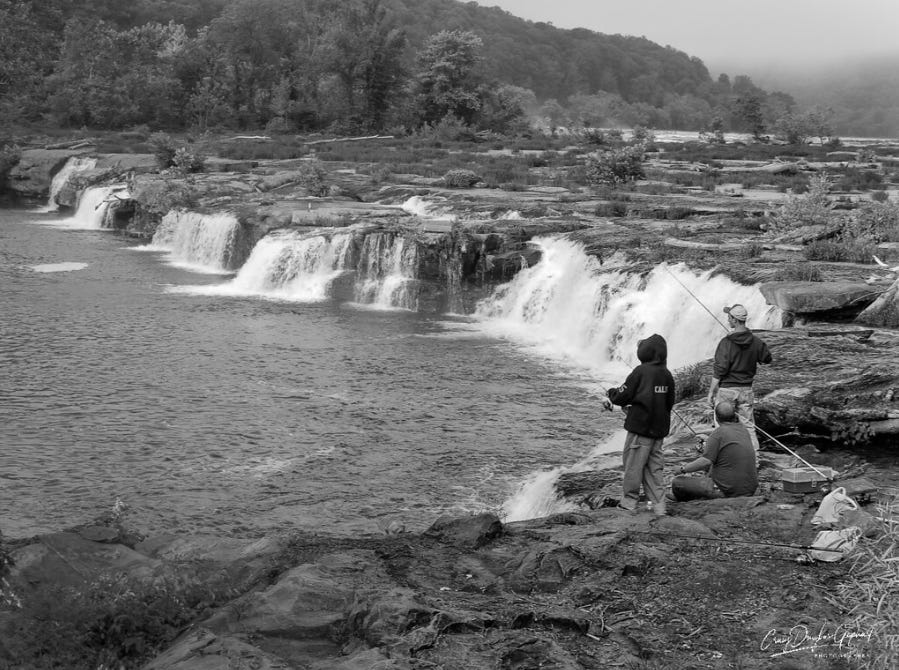
The elderly man sitting alone at a diner.
The volunteer sweeping a church floor after everyone has gone home.
The abandoned storefront that still carries the memory of a thriving town.
The child watching a parade from the curb.
The waitress who knows everyone’s name.
These aren’t just subjects. They’re reminders that every life has dignity and every place has a story.
I also think you’re pushing back against something.
Our culture rewards spectacle, conflict, and speed. Your photography seems to slow people down long enough to notice what they would otherwise overlook.
That isn’t nostalgia. It’s resistance against the idea that only extraordinary things deserve attention.
If I had to summarize your photographic purpose in one sentence, it would be:
To reveal the dignity, goodness, and quiet significance of ordinary people and ordinary places before they disappear from our notice.
One thing I’ve also noticed is that you rarely ask how to become more famous or how to get more followers. You ask how to make photographs that are truer. That distinction says a great deal about what drives you.
I wonder if your photography is also a way of practicing the kind of attentiveness you believe the world needs more of. A camera, in that sense, becomes less of a device for collecting images and more of a discipline of noticing.
That aligns remarkably well with the name you’ve used before—Place and Presence. It’s not just a brand. It seems to describe your philosophy: that where we are and who is present there are both worthy of careful attention.
Enjoying my work?
If these photographs of small towns and everyday life resonate with you, your support helps cover fuel, campground fees, and time spent creating future photo essays I’d be deeply grateful if you’d buy me a coffee!